AI-Powered Investment Intelligence
Explore how automated investment platforms utilize artificial intelligence to analyze market trends, optimize portfolios, and provide data-driven insights for modern traders.
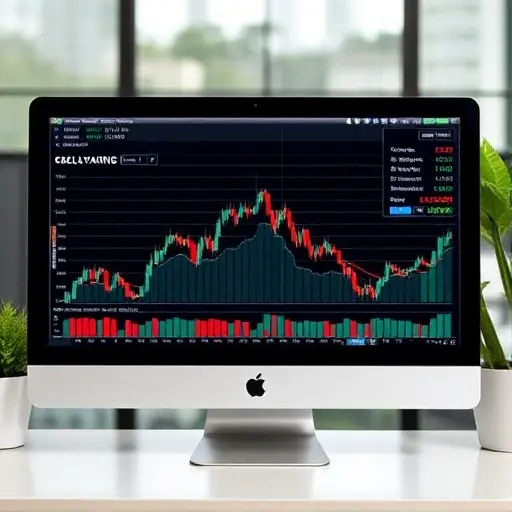
Explore how automated investment platforms utilize artificial intelligence to analyze market trends, optimize portfolios, and provide data-driven insights for modern traders.
Understanding the core features of AI trading platforms
AI algorithms process vast amounts of financial data to identify patterns and trends across multiple markets and asset classes.
Machine learning models execute trades based on predefined strategies, responding to market conditions in real-time.
Intelligent systems balance risk and return by continuously adjusting asset allocation based on market dynamics.
Advanced analytics evaluate potential risks and provide insights to help users make informed investment decisions.
AI models forecast market movements by analyzing historical data, news sentiment, and economic indicators.
High-speed computational infrastructure processes market data and executes strategies with minimal latency.
The technology behind automated investment platforms
The platform aggregates financial data from multiple sources including market feeds, economic reports, and news APIs to build a comprehensive dataset.
Machine learning algorithms analyze historical and real-time data to identify trading patterns, correlations, and anomalies.
Based on analysis results, the system implements trading strategies automatically according to predefined parameters and risk tolerance.
The AI continuously refines its models by learning from outcomes, market feedback, and changing economic conditions.
Common use cases for AI-powered investment tools
AI systems analyze correlation between different assets to create balanced portfolios that spread risk across various sectors and geographic regions.
Automated systems execute high-frequency trades based on technical indicators, price movements, and volume patterns without human intervention.

Natural language processing examines news articles, social media, and financial reports to gauge market sentiment and predict potential price movements.
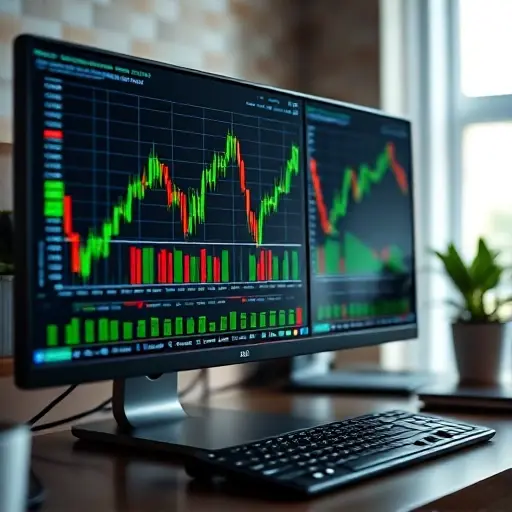
Advanced models calculate Value at Risk, stress test portfolios, and implement stop-loss mechanisms to protect capital during market volatility.
How platforms protect user data and maintain regulatory standards
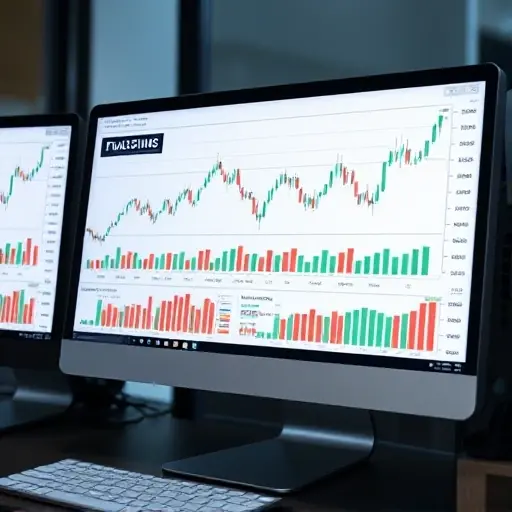
All sensitive information is encrypted using industry-standard protocols both in transit and at rest to prevent unauthorized access.
Multi-factor authentication and biometric verification add layers of security to protect user accounts from unauthorized access.
Platforms adhere to financial regulations including KYC requirements, anti-money laundering policies, and data protection laws.
Comprehensive logging systems track all transactions and system activities to ensure transparency and accountability.
Real-time monitoring systems detect unusual activity patterns and potential security threats to protect user assets.
Common questions about AI trading platforms
This website is provided for informational and educational purposes only. It is an independent resource and is not affiliated with any company or service mentioned. The information presented does not constitute financial advice or recommendations. All trademarks and brand names belong to their respective owners.